Anti-Counterfeiting Strategy for Amazon Sellers
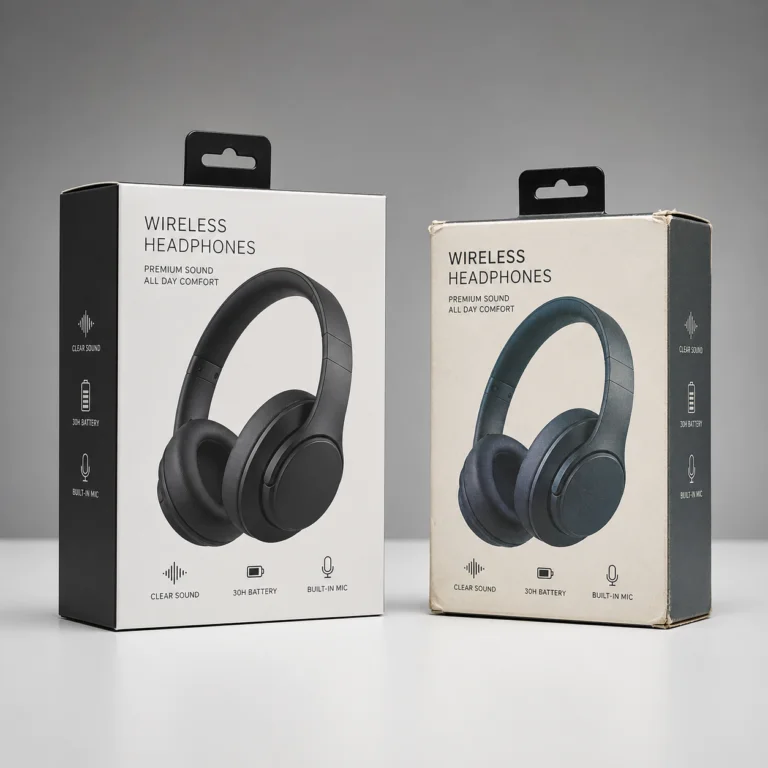
Amazon identified, seized, and appropriately disposed of more than 15 million counterfeit products in 2024, and its proactive controls blocked more than 99% of suspected infringing listings before brands had to report them. Despite these efforts, counterfeits remain a persistent problem for brands on the platform. Amazon’s tools help, but they don’t eliminate the issue. Brands relying exclusively on Brand Registry often discover unauthorized sellers keep operating, listings reappear after removal, and automated enforcement creates friction with legitimate distributors.
Annual counterfeit goods sold globally
Every takedown reviewed by a person
Counterfeits Amazon seized in 2024
Costs covered by recovered assets
Last updated: May 2026
By: Axencis Team, Alex Wrexford
Why does Amazon attract counterfeiters?
Counterfeiting on Amazon operates differently than on other marketplaces due to the platform’s specific structure and policies.
Amazon’s customer base and fulfillment infrastructure make it attractive for counterfeit operations. High customer trust means buyers assume products sold on Amazon are legitimate. Fulfillment by Amazon (FBA) lets counterfeiters use Amazon’s logistics network, making fake products indistinguishable from genuine items in shipping and delivery. Historically, commingled inventory created authenticity risks where genuine and counterfeit products could be mixed in Amazon’s warehouses, though Amazon announced the end of commingling practices effective March 31, 2026.
The platform’s seller account creation process, while improved, still lets determined counterfeiters establish new accounts after previous ones get suspended. Account verification requirements have increased, but counterfeiters adapt by using stolen or fabricated business documentation.
How counterfeiters operate on Amazon
Counterfeit sellers use various tactics to evade detection. Based on enforcement patterns observed by brands and third-party protection services, these can include creating multiple seller accounts under different business names, using product images and descriptions copied from legitimate listings, underpricing genuine products to attract price-sensitive buyers, and frequently changing account details and product variations.
Some operations rotate between fulfillment methods or adjust their approaches when facing increased scrutiny, which makes tracking and enforcement more complex.
The cost to legitimate sellers
Counterfeits on Amazon create direct and indirect costs for brands. Direct revenue loss occurs when customers buy counterfeits instead of genuine products. For every counterfeit sale, that’s a lost sale for your authorized sellers and lost profit margin for your brand.
Indirect costs compound the damage. When customers receive poor-quality counterfeits, they associate that experience with your brand, damaging reputation you’ve invested years building. Your customer support teams spend resources fielding complaints about products you never manufactured, while legitimate sellers struggle with pricing pressure as counterfeits undercut market rates.
Amazon’s own metrics indicate the scale. Billions of suspected counterfeit listings blocked annually means the problem affects virtually every brand selling on the platform.
What tools does Amazon provide for brand protection?
Amazon offers three primary tools: Brand Registry, Project Zero, and Transparency. Understanding what each does and where it stops helps brands set realistic enforcement expectations.
| Tool | What It Does | Key Limitation | Best For |
|---|---|---|---|
| Brand Registry | Search, report, and predictive detection | Reporting tool only, Amazon makes final decision | Every trademark holder (free baseline) |
| Project Zero | Automated detection plus self-service removal | Requires high accuracy, removes access if abused | Brands with proven reporting discipline |
| Transparency | Per-unit serialization codes verified at fulfillment | Operational cost, doesn’t prevent listing creation | High-value products using FBA primarily |
Amazon Brand Registry
Brand Registry is Amazon’s foundational brand protection program. It requires an active registered trademark (or in some cases a pending application) and provides access to enhanced brand protection features.
What it provides: Tools to detect and report potential infringement, text and image search across Amazon’s catalog, a dedicated violation reporting portal, sponsored brand advertising, enhanced brand content, and predictive automation that proactively removes suspected problematic listings.
What it doesn’t do: Brand Registry is a reporting tool, not an enforcement solution. The system requires you to manually find and report counterfeit listings rather than removing them automatically. Unauthorized sellers can list your products without verification of their authorization status, and counterfeiters who receive takedowns can simply create new accounts and re-list. The cycle continues without prevention at the point of listing creation.
The fundamental limitation: Brand Registry gives you better tools to find and report problems, but Amazon still makes the final enforcement decision based on its own processes and criteria.
Project Zero
Project Zero adds automation and self-service removal capabilities to Brand Registry. Brands become eligible and receive automatic invitations after meeting Amazon’s criteria, which include demonstrating responsible use of enforcement tools and maintaining high accuracy of legitimate takedown requests.
What it provides: Automated protections using machine learning, self-service counterfeit removal without waiting for Amazon review, and product serialization integration that works with Transparency codes.
What it doesn’t do: Project Zero doesn’t prevent listing creation. It only enables faster removal after counterfeits appear. The self-service removal power comes with significant responsibility. Removing legitimate seller listings by mistake can lead to disputes, and Amazon monitors your accuracy closely, revoking Project Zero access if erroneous removals become too frequent.
Amazon Transparency
Transparency is a serialization program that authenticates products using unique codes applied to each unit.
What it provides: Every enrolled product receives a unique Transparency code that Amazon scans before shipping to customers. Products without valid codes cannot be sold through Amazon’s store, whether fulfilled by Amazon or shipped directly by sellers. Customers can scan the Transparency code using Amazon’s app to verify authenticity after receiving the product, or while examining it in person at retail.
What it doesn’t do: Transparency doesn’t prevent counterfeit listings from being created. It prevents counterfeit products without valid codes from being sold. It requires significant operational investment to apply codes to every unit, creating per-unit costs and supply chain complexity. It also doesn’t address products already in distribution channels before enrollment.
Transparency works best for high-value products where the per-unit code cost is justifiable and where FBA represents the primary fulfillment method. For lower-margin products or brands using diverse fulfillment methods, the cost-benefit calculation becomes less favorable.
Where do Amazon’s tools fall short?
Amazon’s brand protection tools provide valuable capabilities, but structural limitations prevent them from eliminating counterfeiting.
Amazon’s platform priorities
Amazon benefits from marketplace breadth. More sellers mean more selection, which attracts more customers. Some brands find this creates tension between aggressive counterfeit enforcement and marketplace growth.
Amazon invests heavily in brand protection, with 15 million products seized and over 99% of suspected infringing listings blocked before brand reporting. However, some brands observe that enforcement decisions in borderline cases may favor keeping listings active pending additional investigation. For brands, this can mean questionable operations continue selling while reviews proceed.
Limited human verification
Amazon’s enforcement relies heavily on automation and algorithmic detection. This creates efficiency but reduces accuracy.
Automated systems flag listings based on pattern matching: image similarity, keyword usage, pricing anomalies, and seller behavior patterns. These signals identify potential counterfeits but can’t distinguish between sophisticated counterfeits and legitimate sellers who happen to trigger the same patterns. Human review occurs primarily after reports are submitted or when automated systems flag high-confidence violations. The volume of reports means review times vary, and marginal cases receive limited investigation time.
For brands with complex distribution networks, this limitation creates serious problems. Authorized distributors using manufacturer-provided images get flagged alongside counterfeiters, legitimate liquidators offering steep discounts appear identical to counterfeit sellers undercutting market prices, and gray market sellers operating in legal ambiguity receive the same treatment as clear infringers.
Reactive rather than proactive
Amazon’s tools primarily react to problems after they appear rather than preventing them before listing creation.
Brand Registry helps you find and report violations faster, but you’re still finding problems after counterfeiters have already listed products and potentially made sales. Project Zero enables faster removal, but removal still happens after the listing exists. Transparency prevents fulfillment of products without codes, but doesn’t prevent listing creation.
A counterfeiter can create a listing, generate sales for days or weeks, then move to a new account when the listing gets removed. The cycle repeats, with enforcement always trailing new violations.
Geographic and jurisdictional limits
Amazon operates globally, but enforcement effectiveness varies by jurisdiction. Counterfeit sellers based in countries with weaker IP enforcement, limited legal penalties, or difficult cross-border litigation often face fewer consequences beyond listing removal.
When Amazon removes a listing or suspends an account, the seller’s assets remain beyond Amazon’s reach unless legal action occurs. Bank accounts in foreign jurisdictions stay accessible, inventory outside Amazon’s warehouses remains available for resale on other platforms, and the counterfeit operation’s infrastructure continues operating even after their Amazon presence gets disrupted.
Amazon enforcement addresses symptoms of individual listings and accounts without eliminating the underlying counterfeit operation.
How do you build a comprehensive Amazon brand protection strategy?
Effective brand protection on Amazon requires layering multiple approaches: platform tools, external monitoring, human verification, and legal enforcement when warranted.
Start with Amazon Brand Registry
Enroll in Brand Registry as your foundation. It’s free for trademark holders and provides essential capabilities you can’t access otherwise.
Complete your brand profile with comprehensive product catalog information, authorized seller lists if you use distributors, and accurate categorization of your product lines. Set up report abuse workflows so your team knows how to submit violation reports efficiently. Monitor Brand Registry’s automated detection and review flagged listings regularly.
Brand Registry alone won’t stop counterfeiting, but operating without it means missing tools Amazon provides at no cost.
Document your authorized distribution network
Create and maintain a current database of every seller authorized to list your products on Amazon. This should include direct sales accounts your company operates, authorized distributors with permission to resell on Amazon, licensed retailers with explicit Amazon selling rights, and any bulk purchasers or liquidators you’ve approved.
This documentation prevents you from accidentally reporting your own authorized sellers, provides evidence when disputing unauthorized sellers claiming legitimacy, and creates accountability when distributors violate pricing or territory agreements.
Update this database whenever distribution agreements change. A distributor who lost authorization last month shouldn’t still appear on your approved list, and a new distributor shouldn’t get flagged as unauthorized because your documentation hasn’t been updated.
Implement continuous monitoring beyond Brand Registry
Amazon’s catalog changes constantly. New listings appear, existing listings get modified, and sellers rotate accounts. Brand Registry’s search tools help, but they require manual effort.
Continuous monitoring makes takedown programs sustainable. Without regular detection of new listings, repeat offenders quickly reappear on Amazon’s constantly changing catalog. Effective takedown services combine monitoring with human verification to ensure listings are found and removed accurately, not just flagged and forgotten.
Apply human verification before enforcement
Before reporting any listing or seller, verify the violation is genuine. This prevents false positives that damage relationships with legitimate sellers and reduce your credibility with Amazon’s enforcement teams.
Human verification means checking whether the seller appears in your authorized distributor database, evaluating whether pricing and product presentation indicate genuine or counterfeit products, assessing seller history and account standing for legitimacy indicators, and when uncertain, contacting the seller to request purchase documentation.
This verification layer takes more time than automated flagging and immediate reporting, but it prevents costly mistakes. Wrongly reporting an authorized distributor damages that business relationship and creates disputes that consume your internal resources. Reporting too many legitimate sellers reduces Amazon’s confidence in your future reports, potentially slowing processing of legitimate violation reports.
Use strategic enforcement escalation
Not every potential violation warrants immediate aggressive enforcement. Apply graduated responses based on violation severity and seller legitimacy indicators.
For likely legitimate sellers (established accounts with positive feedback selling at reasonable prices), request purchase documentation to verify authorization before reporting. Many situations resolve through communication.
For probable counterfeits (new accounts, suspiciously low prices, poor product presentation), report through Brand Registry and monitor for removal. If Amazon doesn’t act within reasonable timeframes, escalate through additional reports with supporting evidence.
For confirmed large-scale counterfeit operations (multiple accounts, high volume, clear infringement), consider legal enforcement beyond Amazon’s platform tools. Schedule A cases can freeze counterfeit assets and create consequences that platform account suspension cannot.
Consider third-party brand protection services
Third-party services provide capabilities Amazon’s tools don’t offer: human verification of every flagged listing before reporting, established relationships with Amazon’s enforcement teams that can expedite processing, legal expertise for cases requiring action beyond platform reporting, and monitoring across multiple marketplaces beyond Amazon.
The value depends on your situation. Brands with simple, direct-to-consumer models and limited distribution complexity might handle enforcement effectively using Amazon’s tools. Brands with extensive authorized distributor networks, high counterfeit volumes, or premium products where accuracy matters more than speed often benefit from external services.
When evaluating third-party services, prioritize human verification over automation volume. Services that emphasize processing thousands of takedowns monthly often generate false positives that damage your authorized distribution network.
How do you report counterfeit products on Amazon?
Amazon provides multiple reporting mechanisms depending on your Brand Registry enrollment and the violation type.
Reporting through Brand Registry
If you’re enrolled in Brand Registry, use the Report a Violation tool as your primary mechanism.
Navigate to Brand Registry and select Report a Violation. Choose the violation type: copyright, patent, or trademark infringement (counterfeit complaints are typically handled within this framework). Provide the ASIN (Amazon Standard Identification Number) of the violating listing. Upload supporting evidence: photos showing counterfeit indicators, documentation proving your trademark rights, or examples of authentic products for comparison.
Submit the report and note the reference number for tracking. Amazon reviews reports and takes action based on evidence strength and violation clarity. Processing times vary from days to weeks depending on case complexity and report volume.
Reporting without Brand Registry
If you haven’t enrolled in Brand Registry, you can still report violations through Amazon’s general mechanisms, though with fewer capabilities and longer processing times.
Use the “Report incorrect product information” link on the product listing page for obvious errors or policy violations. Contact Amazon Seller Support for seller-related concerns. File a formal complaint through Amazon’s legal department for serious intellectual property violations.
These mechanisms work but lack the streamlined processing and specialized review that Brand Registry reports receive. Enrolling in Brand Registry should be your first priority if you’re a trademark holder.
What to include in reports
Effective reports include specific evidence that helps Amazon’s review team make enforcement decisions quickly. Provide clear product identification with ASINs, product titles, and seller names. Include photographic evidence showing counterfeit indicators: poor quality manufacturing, missing or incorrect packaging, wrong logos or trademarks, or misspelled brand names. Document your trademark rights with registration numbers and jurisdictions. If applicable, include authorized seller lists showing the reported seller isn’t authorized to sell your products.
The more specific and evidence-based your report, the faster Amazon can review and act.
What’s the difference between Amazon’s tools and third-party brand protection?
Amazon’s tools and third-party services address different aspects of brand protection, with overlap in some areas and distinct capabilities in others.
Scope of monitoring
Amazon’s tools monitor only Amazon’s marketplace. Brand Registry, Project Zero, and Transparency all operate exclusively within Amazon’s ecosystem.
Third-party brand protection services monitor across multiple platforms: Amazon, eBay, Walmart, social media marketplaces, standalone e-commerce sites, and domain registrations. If your counterfeit problem exists across platforms, Amazon’s tools only address one piece of the problem.
Verification and accuracy
Amazon’s tools rely heavily on automated detection with limited human review. This provides scale but reduces accuracy, particularly for brands with authorized distributor networks.
Third-party services differ significantly in their approach. Some emphasize automation and processing volume, creating the same false positive problems as Amazon’s tools. Others prioritize human verification, reviewing each flagged case before submitting reports to ensure legitimate sellers don’t get targeted. When evaluating services, the verification methodology matters more than the total number of takedowns claimed.
Legal enforcement capabilities
Amazon’s tools operate within Amazon’s policies and procedures. They can remove listings, suspend accounts, and prevent fulfillment, but they can’t address counterfeiters’ underlying assets or operations outside Amazon’s platform.
Third-party services with legal capabilities can pursue enforcement beyond platform removals: Schedule A cases that freeze bank accounts and seize inventory, domain seizures for counterfeit websites, customs recordation to intercept counterfeit imports, and settlements that create financial consequences for counterfeiters.
This legal layer addresses problems platform enforcement alone cannot solve. When counterfeit operations are substantial enough to warrant legal action, platform tools become insufficient regardless of how well they’re used.
Relationship with Amazon
Using Amazon’s tools means working within Amazon’s enforcement processes and timelines. Your reports get reviewed based on Amazon’s priorities and queue depth.
Established third-party brand protection services often maintain direct relationships with Amazon’s Brand Protection teams. These relationships can expedite report processing, improve approval rates, and provide escalation paths when standard reporting mechanisms move slowly.
Is Amazon Brand Registry enough to stop counterfeits?
For most brands, Brand Registry alone is insufficient to eliminate counterfeiting, though it’s essential as a foundation.
When Brand Registry might be sufficient
Brand Registry can work as a standalone solution for brands with limited counterfeit activity (fewer than 10-20 active counterfeit listings at any time), simple distribution models with no authorized resellers creating ambiguity, dedicated internal resources to monitor and report violations consistently, and products where counterfeit quality is obviously inferior, making detection straightforward.
If your counterfeit problem is small-scale and your team has capacity to monitor and report regularly, Brand Registry provides the tools needed without additional services.
When Brand Registry falls short
Brand Registry becomes insufficient when counterfeit volumes exceed what internal teams can monitor and report manually, authorized distributor networks create complexity where automation flags legitimate sellers, counterfeiters quickly create new accounts and re-list after removals, or when enforcement speed matters because counterfeits cause safety concerns or major brand reputation damage.
In these situations, Brand Registry remains necessary but not sufficient. Additional enforcement layers become required to achieve meaningful counterfeit reduction.
The real test: results over time
The measure of whether Brand Registry is sufficient is straightforward. Are counterfeit listings decreasing over time, or remaining constant despite your enforcement efforts?
If you’re reporting violations consistently but new listings appear as fast as old ones get removed, Brand Registry is just documenting the problem. This indicates you need additional enforcement approaches beyond platform tools.
Key takeaways
- Amazon’s tools are essential but rarely sufficient – Brand Registry, Project Zero, and Transparency provide a foundation. Most brands need additional layers to actually reduce counterfeits.
- Document your authorized distribution network – without this, automated enforcement flags your own distributors alongside counterfeiters.
- Human verification prevents costly mistakes – wrongly reporting legitimate sellers damages relationships and reduces Amazon’s confidence in your future reports.
- Amazon enforcement stops at the platform – for substantial counterfeit operations, Schedule A cases reach assets Amazon’s platform tools cannot.
- Measure results over time – if counterfeit listings aren’t decreasing despite enforcement, you need more than Brand Registry.
Frequently asked questions
How do I protect my brand on Amazon?
Enroll in Amazon Brand Registry, document your authorized sellers, and monitor continuously for new violations. Apply human verification before reporting to avoid flagging legitimate distributors. For complex distribution or high counterfeit volumes, add third-party protection for Schedule A cases and cross-platform monitoring.
Is Amazon Brand Registry enough to stop counterfeits?
Brand Registry is essential but rarely sufficient alone. It helps you find and report violations, but it doesn’t prevent new listings or remove repeat offenders automatically. If counterfeit listings aren’t decreasing over time despite reporting, you need enforcement beyond platform tools.
How do I report counterfeit products on Amazon?
Enroll in Brand Registry and use the Report a Violation tool, providing the ASIN, violation type, and photographic evidence. Without Brand Registry, use the “Report incorrect product information” link or contact Seller Support, though processing is slower.
What’s the difference between Amazon’s tools and third-party brand protection?
Amazon’s tools monitor only Amazon and rely on automation with limited human review. Third-party services add human verification, cross-platform monitoring, and legal enforcement (Schedule A cases, domain seizures) that platform tools cannot deliver.
How can I stop counterfeit sellers on Amazon?
Layer your enforcement: Brand Registry reports with strong evidence, documented authorized sellers, continuous monitoring, and human verification before every takedown. For large operations, pursue Schedule A cases to freeze assets and create consequences beyond account suspension.
Does Project Zero remove counterfeits automatically?
Project Zero combines automated detection with self-service removal, but you still trigger the removal. It doesn’t prevent listings from being created, and Amazon revokes access if accuracy drops. It’s a faster tool, not an autopilot.
Sources
- Amazon Brand Registry (official program page)
- Amazon Project Zero (official program page)
- Amazon Transparency (official program page)
- Amazon announcement on end of commingling practices (March 2026)
- Amazon 2024 counterfeit enforcement metrics
Is Brand Registry alone reducing your Amazon counterfeits?
Find out whether your current Amazon brand protection is delivering measurable results, or just documenting the problem. Axencis evaluates your counterfeit landscape and identifies the enforcement layers that would actually reduce listings.
About the author
Alex Wrexford spent fifteen years investigating counterfeit networks for brand owners before he started writing about it – the test buys, the teardowns, the freight manifests that didn’t add up, the patient business of tying a hundred fake shops back to one person. He writes on counterfeiting and intellectual property enforcement, and is the author of The Takedown, a true-crime investigation into how the world’s counterfeiters get found, caught, and made to pay. More at alexwrexford.com. For questions about enforcement strategy, get in touch.