
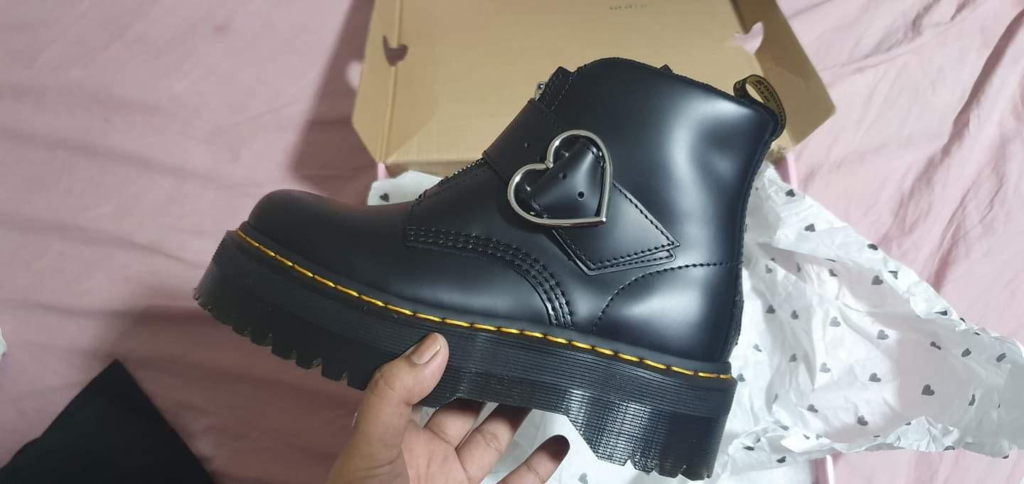
AliExpress Counterfeits continue to be a growing concern in today’s digital marketplace. Despite tighter e-commerce regulations and increased awareness, fake products still dominate sections of online retail. From luxury fashion to tech accessories, AliExpress remains one of the biggest global sources of counterfeit goods, posing risks to consumers and brands alike.
Are the ‘dupes’ still out there?
The COVID-19 pandemic accelerated this trend dramatically. With a 146% growth in online retail orders across the U.S. and Canada, as reported by Forbes, counterfeiters quickly seized the opportunity. Homebound consumers searching for bargains unknowingly fueled a surge in AliExpress Counterfeits, particularly in categories like toys, electronics, and household items.
Why AliExpress Counterfeits Are Still Everywhere
AliExpress, owned by the Alibaba Group, was originally designed to make Chinese goods accessible to international buyers. Its multilingual setup and user-friendly interface made it an instant success. Unfortunately, this same openness has allowed AliExpress Counterfeits to thrive. While Alibaba has introduced anti-counterfeiting measures—like a dedicated IP protection team launched in 2015—fake listings persist in large numbers.
A quick search online reveals hundreds of fake brand listings, often disguised with slight name variations or blurred logos. Sellers have also become smarter. They use code words, abbreviations, and hidden links to sell AliExpress Counterfeits while evading platform filters.
How Counterfeit Sellers Hide on AliExpress
When brand names are restricted, counterfeit sellers find creative workarounds. Entire third-party websites exist solely to guide buyers toward hidden AliExpress Counterfeits—complete with search shortcuts and secret terms. By entering specific abbreviations or using indirect links, buyers are taken directly to fake listings that mimic legitimate products.
Another platform, Yupoo, plays an even bigger role in the counterfeit ecosystem. It’s a photo-sharing site with no product names or prices—just images. Buyers contact sellers through WhatsApp or Telegram, where they receive secret AliExpress links. These links appear to show unrelated, unbranded products, but they actually lead to AliExpress Counterfeits. This closed-loop system makes detection incredibly challenging.
Social Media and the Spread of AliExpress Counterfeits
Counterfeiters no longer rely solely on e-commerce websites. Social media platforms such as Facebook, Instagram, and TikTok are now used to advertise and distribute AliExpress Counterfeits directly. Fake influencer accounts and closed groups promote counterfeit luxury products disguised as “dupes” or “designer-inspired” items. This new sales channel bypasses traditional detection mechanisms, making it harder for brands to protect their image and customers.
The World Trademark Review has noted how these networks are evolving faster than enforcement capabilities, with counterfeiters using global logistics systems and encrypted messaging apps to continue operations.
How Axencis Fights AliExpress Counterfeits
At Axencis, we understand the complexity of tracking AliExpress Counterfeits across global marketplaces. Our brand protection experts use advanced algorithms and proprietary detection software to identify and remove counterfeit listings in real time. We go beyond simple takedowns—our legal specialists pursue counterfeit sellers for compensation, ensuring brands recover financial and reputational losses.
Axencis’ zero-cost model means our services come at no expense to clients. We recover operational costs through asset seizures and settlements from counterfeiters. Our comprehensive system protects brand integrity, rebuilds consumer trust, and reduces the visibility of AliExpress Counterfeits worldwide.
Preventing AliExpress Counterfeits: What Brands Can Do
Register trademarks globally to strengthen enforcement rights. Monitor online platforms continuously to detect fake listings early. Educate consumers about the risks of AliExpress Counterfeits, and partner with Axencis for full-scale monitoring, takedowns, and prosecution.
AliExpress Counterfeits are more than just fake products—they represent a massive, organized threat to brand credibility and consumer safety. With proactive technology, legal enforcement, and expert strategy, Axencis ensures that authenticity remains the standard in a counterfeit-driven world.
Aliexpress is owned by the Alibaba Group – which also owns the websites Alibaba, TMall, Taobao and 1688.com …and counting
Get a free risk report
Axencis | Linkedin | Substack | Twitter | Youtube | Instagram | Academia | Hackernoon | Blogger | Quora | DailyMotion | Pinterest | Facebook