

Counterfeit PPE became one of the most dangerous forms of intellectual property abuse during the COVID-19 pandemic. As the world grappled with supply shortages and skyrocketing demand for protective equipment, counterfeiters saw an opportunity to flood global markets with fake masks, hand sanitizers, gloves, and Hazmat suits. This surge in counterfeit PPE not only endangered public health but also damaged the reputations and revenues of legitimate manufacturers.
In early 2020, prices for essentials such as masks and sanitizers spiked by as much as 200%. With suppliers locked out by travel restrictions and demand overwhelming production, counterfeit PPE quickly filled the gap. These fake products—sold both in stores and across online marketplaces—offered a dangerous illusion of safety.
The rise of counterfeit PPE was especially evident in developing nations. Substandard masks lacked filtration layers, gloves tore apart within minutes, and hand sanitizers contained harmful chemicals. Consumers and medical workers were left vulnerable, and the presence of fake goods made it nearly impossible to distinguish genuine protective products from dangerous imitations.
India’s unregulated trading environment became a hotspot for counterfeit PPE. According to the Central Bureau of Investigation, criminal groups used toxic substances to produce fake sanitizers and ran fraudulent websites offering large quantities of non-existent products. Many victims paid in advance through rogue platforms that disappeared after each confirmed payment.
The United States faced a similar problem. Thousands of fake websites mimicked legitimate PPE suppliers, tricking buyers into purchasing counterfeit PPE that was either substandard or never delivered. These operations were highly sophisticated—fake domains dissolved and reappeared under new URLs after every purchase, making enforcement extremely difficult. Todd Kossow, director of the Federal Trade Commission in the Midwest, warned that the best defense was consumer awareness, as anyone could launch a professional-looking fake website within hours.
Combating Counterfeit PPE with Axencis
The global wave of counterfeit PPE highlighted the urgent need for stronger brand protection and intellectual property enforcement. Axencis provides advanced tools to identify and eliminate counterfeit PPE from online and physical marketplaces. Our proprietary detection systems and investigation teams track rogue websites, collect legal evidence, and ensure that counterfeit sellers are prosecuted.
Axencis goes beyond takedowns—we help brands reclaim lost revenue through asset recovery and compensation claims. By combining cutting-edge technology with legal expertise, we ensure counterfeit PPE does not compromise public safety or brand integrity.
The pandemic may have fueled the rise of counterfeit PPE, but with proactive monitoring, strict enforcement, and expert support from Axencis, brands and consumers can stay protected against future threats.
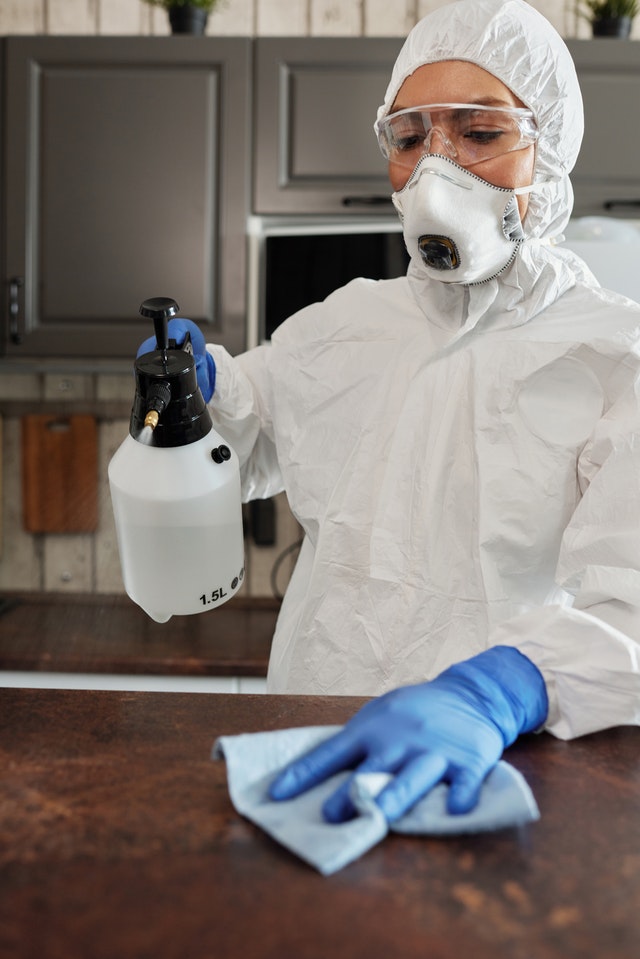
How to identify a fake N95 mask
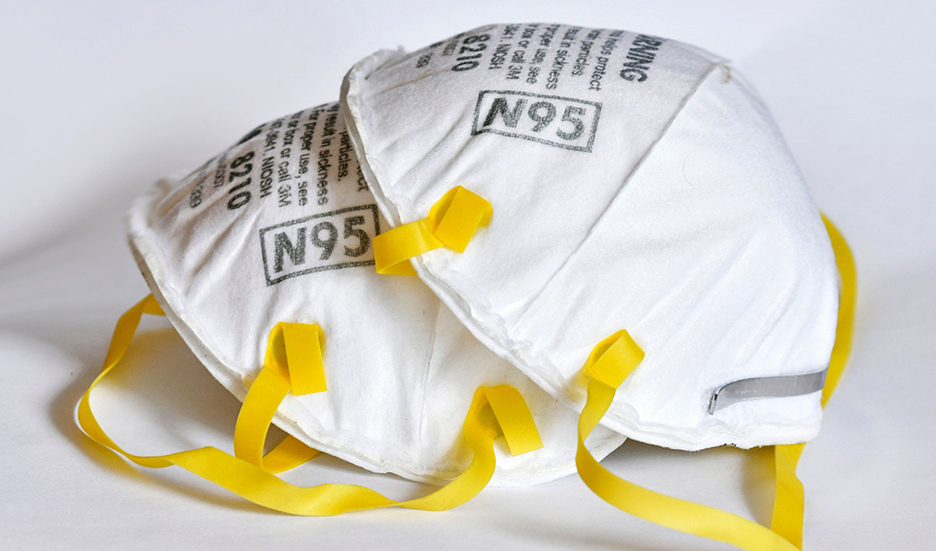
Among the most counterfeited items were N95 respirators. The manufacturer 3M reported an explosion of counterfeit PPE entering markets worldwide during the pandemic. Genuine N95 masks are built with specific materials designed to filter airborne particles, but counterfeit versions compromise user safety and brand integrity.
To identify a fake N95 mask, experts recommend:
-
Printing that smears when wiped with alcohol
-
A strong chemical smell resembling ammonia or urea
-
Weak or loosely attached straps
-
Thin, paper-like material instead of layered filters
-
Lot numbers on the mask and box that do not match
-
Poor fit—either too small or excessively large
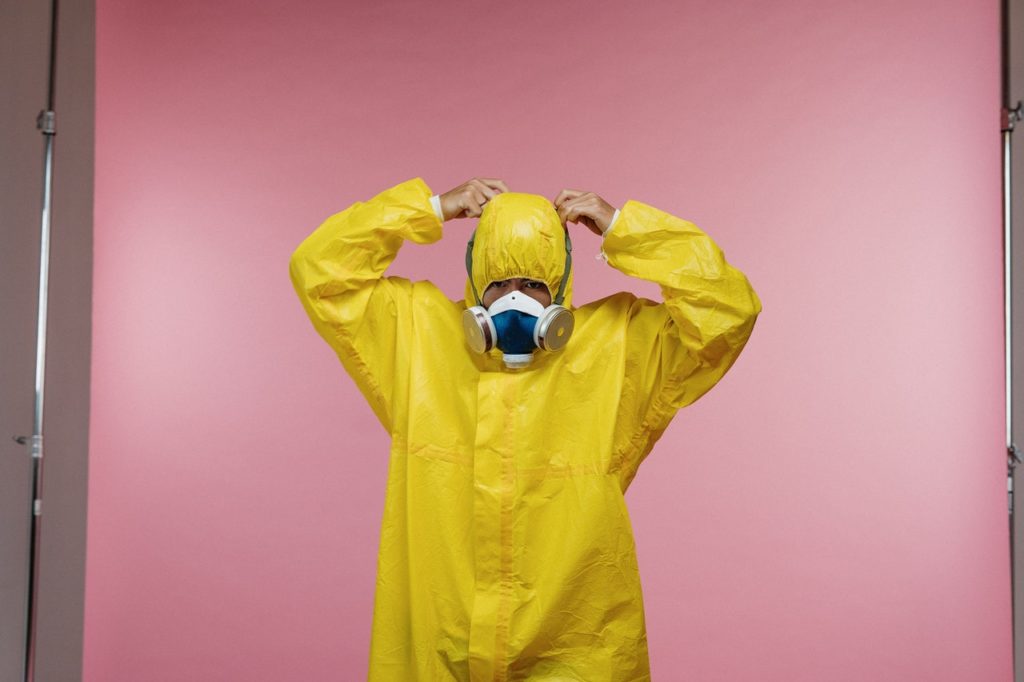
How to identify fake Hazmat Suits
How to identify fake hand sanitizers
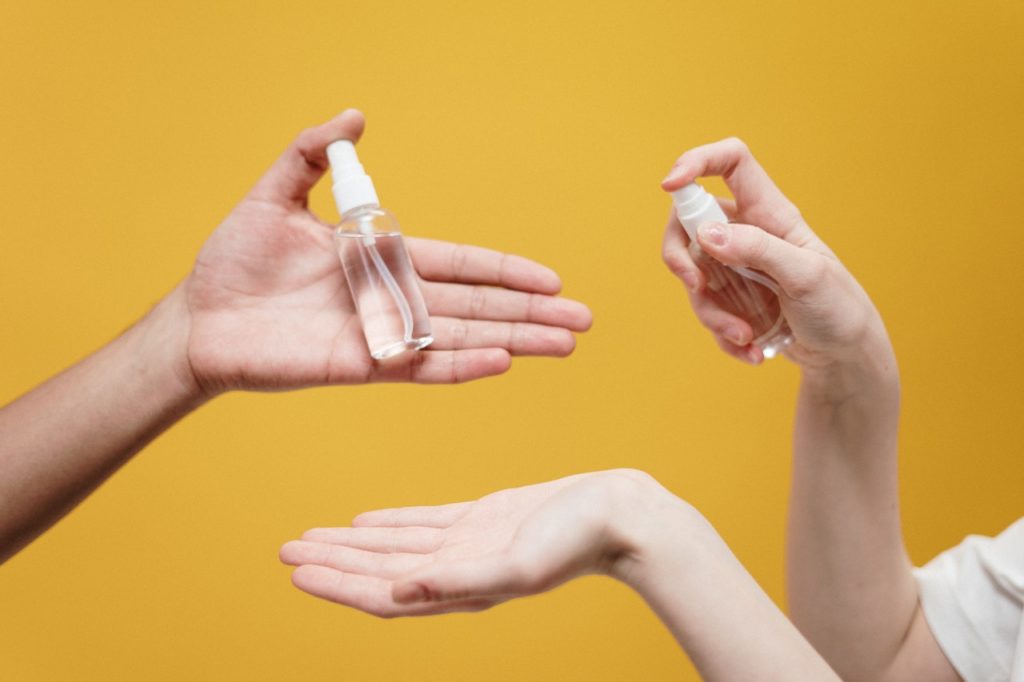
Hand sanitizers became another goldmine for counterfeiters during the pandemic. Authentic sanitizers must contain at least 70% alcohol to effectively kill germs. Counterfeiters produced diluted versions with as little as 40% alcohol, often mixed with toxic additives like nitrogen oxide.
Signs of fake hand sanitizers include:
-
Alcohol content below 70%
-
Unpleasant odor such as ammonia or burning paper
-
Overly strong fragrance masking poor ingredients
-
Missing manufacturing or expiration dates
-
Lack of QR codes or serial numbers
-
Failure of the “hairdryer test,” where genuine sanitizers evaporate faster than water due to higher alcohol content
Axencis | Linkedin | Substack | Twitter | Youtube | Instagram | Academia | Hackernoon | Blogger | Quora | DailyMotion | Pinterest | Facebook