
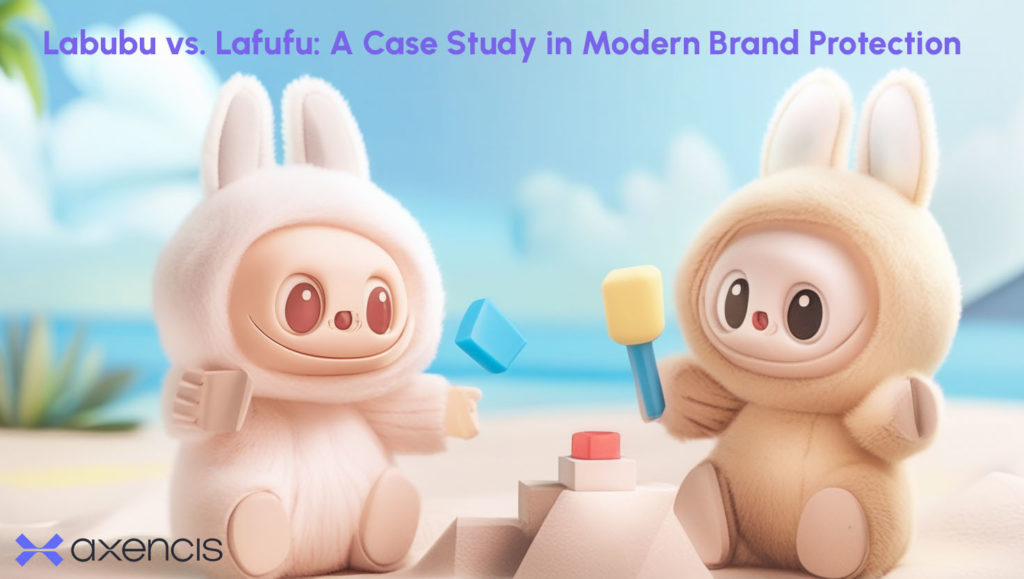
From Viral Toy to Counterfeit Target | The Labubu vs. Lafufu Story
Labubu, created by Hong Kong artist Kasing Lung and popularized by Pop Mart, has quickly become more than a collectible—it’s a cultural icon. Limited drops, celebrity appearances, and social media buzz have driven demand to extraordinary levels. But success attracts copycats, and that’s where Lafufu enters the picture. Labubu Vs. Lafufu
Lafufu isn’t just a cheap knockoff; it’s a textbook example of how counterfeiters exploit viral products. By closely imitating Labubu’s design, packaging, and even QR codes, Lafufu products blur the line between authentic and fake. This isn’t simply a fan-made tribute—it’s outright IP infringement that undermines years of creative investment.
Why Lafufu Represents a Bigger Problem
The Labubu vs. Lafufu story highlights issues every growing brand faces:
Consumer Confusion: Buyers lured by lower prices often assume counterfeits are “official,” leaving legitimate brands to absorb complaints when quality doesn’t match expectations.
Reputation Risk: Poorly made fakes can damage long-term trust in the real product, creating reputational fallout that is far more costly than the lost sale.
Legal Gaps: Counterfeiters thrive on inconsistent trademark and copyright enforcement across jurisdictions, making online brand protection a complex and resource-heavy challenge.
This is the hidden cost of counterfeits: they don’t just steal revenue, they corrode brand credibility.
The Role of Counterfeit Detection | The Labubu vs. Lafufu Story
Counterfeiters today are sophisticated. They track social media trends, launch products faster than official releases, and leverage global e-commerce platforms. For brands, relying on manual takedowns or sporadic enforcement isn’t enough.
Modern counterfeit detection combines technology and legal expertise to spot and act on infringing products before they flood the market. Image recognition, marketplace monitoring, and customs enforcement are no longer optional—they’re essential.
Educating Consumers as a Line of Defense
While technology plays a critical role, consumer awareness is equally important. Knowing how to spot authenticity markers—from packaging quality to official QR code links—empowers fans to make informed choices. For collectors, recognizing the difference between Labubu and Lafufu is more than about pride of ownership; it’s about supporting the creative ecosystem that gave rise to the character in the first place.
Beyond Toys: Lessons for Every Industry
Labubu may be the latest viral sensation, but the underlying risks apply to sneakers, beauty products, electronics, and any sector fueled by hype and scarcity. Counterfeiting is no longer a small-scale nuisance—it’s a brand protection challenge that requires proactive strategies across industries.
Companies that wait until a Lafufu-style crisis hits are already too late. Investing early in online brand protection and strong IP frameworks ensures brands can stay ahead of the counterfeiters, not chase them from behind.
👉 Labubu vs. Lafufu isn’t just about toys. It’s a lesson in how fragile cultural momentum can be without strong brand protection, effective counterfeit detection, and global IP enforcement strategies.
Follow Axencis’s LinkedIn for more updates & news. Get a comprehensive brand scan now on Axencis
Learn more: Axencis | Linkedin | Substack | Twitter | Youtube | Instagram | Academia