Fashion Week Counterfeiting: Why Runway Designs Are Copied Faster Than Ever
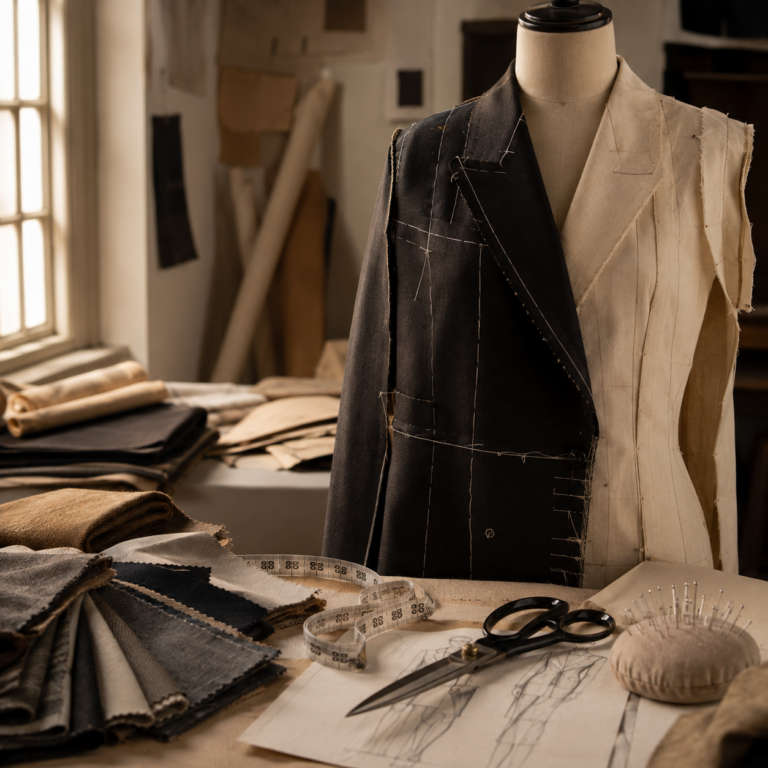
Fashion Week used to run on a four-month delay. Runway collections reached stores months after the show, which gave brands time to prepare a commercial launch. That calendar has gone. Burberry moved to “see now, buy now,” Gucci started selling pieces straight after Milan, and fast-fashion chains now ship derivatives so quickly that copies sometimes hit online marketplaces before the original lands in stores.
Annual counterfeit goods sold globally
Every takedown reviewed by a person
Counterfeit fashion, footwear and accessories trade (OECD-EUIPO, 2025)
Costs recovered from infringers, not a flat retainer
Last updated: August 2026
By: Alex Zaika, Axencis
That shift changes everything about counterfeiting. Counterfeiters used to have time to wait and see what sold. They don’t anymore. They’re watching livestreams in real time and moving on designs before authentic items even ship, because waiting means missing the window entirely.
How quickly do counterfeiters copy runway designs?
Faster than you’d think, and in three distinct stages.
First, image-level copying. Once runway photos circulate, sellers can repurpose those images on marketplaces within hours, either listing pre-produced counterfeit inventory under new descriptions or using designer photos for pre-orders they’ll source from factories when the payment comes in. Vogue Business reported that emerging brands see fake versions appear so quickly that customers send them evidence “every hour of every day.”
Second, lookalikes and dupes, which follow within days or weeks. Ultra-fast fashion can knock off a silhouette, a trim, or a color combination and list it under a derivative name. They’re not using the brand’s trademark, so they’re not technically counterfeit. But they’re clearly copying a design that just went viral on the runway.
Third, true trademark counterfeits, which use the actual brand name, monograms, or logos. These usually follow once a design proves it will sell. Counterfeiters wait to see which pieces gain traction before investing in fake materials and production. Once that happens, they move fast.
Counterfeiters aren’t slower or faster by choice. They’ve been forced to match brand speed or become irrelevant. If they wait even a week, the original is sold out and the trend has moved on. They’re racing at this pace not because they’ve upgraded their capabilities, but because brands compressed the timeline and left them no choice.
Why is fashion counterfeiting such a big target?
Take Louis Vuitton as an example. Vogue Business reports that luxury names like Louis Vuitton are among the most frequently counterfeited brands, and Reuters has documented major seizures of fake Louis Vuitton products. The monograms, trim colors, bag shapes, and hardware are instantly recognizable, which means counterfeiters can create products that “read” like Louis Vuitton to shoppers even when the craftsmanship doesn’t hold up.
That same logic applies to accessories broadly. Fashion houses design watches, sunglasses, belts, leather goods, and pens alongside clothing. Those accessories have longer commercial lives than seasonal dresses, and the World Intellectual Property Organization (WIPO) notes that many fashion design registrations protect accessories rather than garments. That makes accessories both a higher-value target and a place where design rights can actually stick. Signature details matter more when a product has a five-year shelf life instead of five months.
What IP protections exist for fashion designs?
This is where fashion gets complicated, because the law wasn’t built for runway designs in the first place.
Copyright is narrow. The Supreme Court ruled in Star Athletica v. Varsity Brands that copyright protects only separable artistic elements, not the overall shape or cut of a garment. A graphic pattern can be copyrighted. The dress itself usually can’t.
Design patents work better for silhouette and form, with a critical caveat: they take months or even years to be granted, and they aren’t granted immediately, which gives infringers a window of opportunity. File a design patent at launch and you won’t have legal protection until the season is already over. That leaves an open window to copy during peak demand, exactly when it matters most. In the U.S., design patents last 15 years from grant, which makes them solid for signature bags, shoes, or eyewear, and less ideal for fast-moving seasonal clothing.
Trademark and trade dress stop source confusion. If a brand name or logo appears on a counterfeit, it’s straightforward infringement. But product design itself, meaning a specific silhouette, color, or trim without branding, is harder to protect through trade dress in the U.S., because courts have held that design needs secondary meaning. Customers must already recognize that design as belonging to that brand.
In Europe, design rights are more fashion-friendly. Registered EU design rights stop third parties from making, selling, or importing copies. There’s also an unregistered Community design, which provides three years of automatic protection from first public disclosure, without filing. That’s a real advantage for short-life seasonal products.
| Protection tool | What it covers | Best for | Main gap for Fashion Week |
|---|---|---|---|
| Copyright | Separable prints, graphics, surface decoration | Textile patterns, embroidery, prints | Not the overall cut or silhouette |
| Design patent | Ornamental appearance of a product | Signature bags, shoes, hardware, eyewear | Filing time doesn’t align with seasonal launches |
| Trademark | Brand names, logos, monograms | Clear brand identity and source recognition | Doesn’t stop lookalikes without the mark |
| Trade dress | Nonfunctional design features linked to one source | Product packaging and distinctive visual identity | Requires secondary meaning, which takes years to build |
| EU design rights | Product appearance and ornamental aspects | Almost everything in fashion and accessories | Needs separate filing to be protected in other territories |
How should fashion brands prepare for post-Fashion Week counterfeiting?
The best defense isn’t “lawyer up after the show.” It’s doing the work before the first look goes live.
Before Fashion Week, make sure your trademark registrations cover the brand name and core symbols you’re launching. Identify which pieces counterfeiters will actually target, your hero pieces, and decide whether they justify design patent or EU design right filings while you still have time. Document the creation and first-disclosure dates for every look, because that record becomes evidence if you need to defend your design rights later. Draft your takedown templates now, so your team can move instantly when fakes appear rather than working out the process under pressure.
During and after Fashion Week, monitoring is everything. Brands that scan marketplaces and social platforms for visual similarity, not just logo or name matches, catch more copies faster. Counterfeiters often photograph copies differently, so exact-image matching won’t catch everything.
Capture evidence immediately. Screenshot listings, seller names, and URLs with timestamps before they disappear or get removed. Counterfeiters relist constantly, and if you wait even a day the evidence may be gone.
Once you have the evidence, triage by legal category. A product using your trademark is a classic counterfeit claim. A product copying your silhouette without using your mark may be a design-patent or trade-dress claim. A seller using your official photos is a copyright claim. Working out which legal problem you’re actually facing determines your enforcement strategy.
For the sellers worth pursuing beyond a takedown, the escalation route is a Schedule A / TRO court action, which can freeze the accounts behind a network of listings rather than clearing them one at a time. That’s the difference between maintenance and control.
Counterfeiting tracks commercial value and design recognizability. Protect the pieces most worth copying, and make sure your legal tools match your product mix. Not just runway clothing, but the full catalog of branded goods you expect customers to associate with your house.
Key takeaways
- Counterfeiting now happens in parallel with legitimate sales. Image-level copying can start within hours of runway imagery circulating. Physical copies and lookalikes follow within days or weeks.
- Copyright alone won’t protect a dress. The Supreme Court has ruled that copyright covers only separable artistic elements such as prints and patterns, not the overall cut or silhouette of a garment.
- Design patents and trade dress work, if you file first. Both require advance preparation, and filing after a runway show is often too late for seasonal pieces.
- EU design rights give fashion businesses broader tools. Unregistered Community design rights provide automatic protection for three years from first public disclosure, without a formal filing.
- Monitoring is now visual, not just text-based. Brands that scan for visual similarity rather than logo and name matches catch more copies faster.
Frequently asked questions
How quickly do counterfeiters copy runway designs?
Digital copying risk begins almost immediately, as soon as runway photos circulate. Fast-fashion derivatives reach online marketplaces within days, sometimes before the original arrives in stores. True trademark counterfeits usually follow once a design proves it will sell.
What IP protections exist for fashion designs?
Copyright protects only separable artistic elements like prints, not the shape of clothing itself. Design patents protect ornamental appearance but require advance filing. Trademark and trade dress protect brand names, logos, and source-identifying features. In Europe, registered and unregistered design rights provide broader product protection.
How can fashion brands prepare for post-Fashion Week counterfeiting?
Before the show, secure trademark registrations and document creation dates for hero pieces. During and after, monitor marketplaces for visual copies and capture evidence quickly. Then triage by legal category, since trademark infringement, design copying, and image misuse each need a different response.
Why is Louis Vuitton so frequently counterfeited?
Its monograms, trim colors, and hardware are instantly recognizable, so counterfeiters can make products that “read” as Louis Vuitton to shoppers. Commercial success makes it worth counterfeiting, and distinctive design elements make fakes both achievable and recognizable.
Can fast-fashion brands legally copy runway looks?
Yes, as long as the result is similar but distinct. They can’t copy an exact silhouette that’s design-patent protected, use the brand name, or reproduce copyrightable prints. That’s the line between a legal dupe and a counterfeit.
Is a “dupe” the same thing as a counterfeit?
No. A dupe is a legal product inspired by a designer original, sold under a different name without copying trademarks or separable artistic elements. A counterfeit uses the original brand’s actual name, monogram, or logo. Dupes are legal. Counterfeits are not.
What should a brand do if it finds its designs being counterfeited?
Document everything immediately: seller name, listing URL, timestamps, screenshots. Report the listing through the platform’s rights-reporting tools. For trademark counterfeiting, file a legal claim. For design copying without trademark use, take advice on design-patent or trade-dress claims. Beyond individual takedowns, work with a brand protection team for ongoing monitoring and takedowns.
Sources
- Star Athletica, L.L.C. v. Varsity Brands, Inc., 580 U.S. 405 (2017) – Supreme Court of the United States
- USPTO – Design patent application guide (15-year term from grant)
- EUIPO – Unregistered Community designs (three years from first disclosure)
- OECD-EUIPO – Mapping Global Trade in Fakes 2025
Protect Your Runway Designs Before Copies Spread
Fashion Week gives counterfeiters the same product roadmap it gives buyers. We monitor marketplaces for visual copies of your hero pieces, put a person on every case before we act, and pursue the sellers behind them.
About the author
Alex Zaika writes on brand protection, counterfeit enforcement, and marketplace risk for Axencis, a brand protection and IP enforcement company. For questions about enforcement strategy, get in touch.