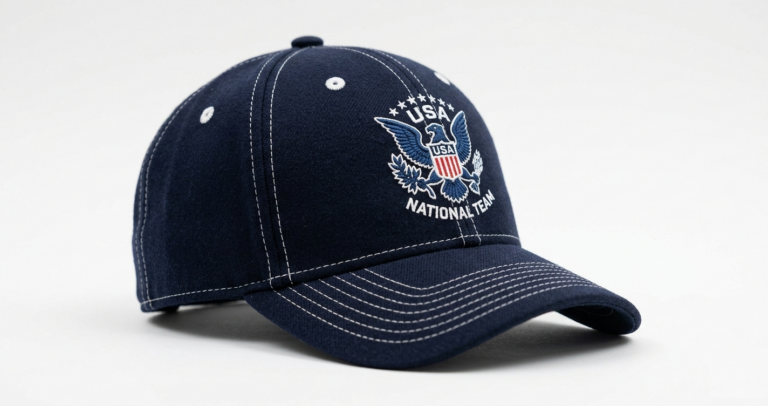
Over $2 trillion in counterfeit goods are sold every year, and national team merchandise is one of the fastest-moving targets during major tournaments. When a team’s popularity peaks, demand for jerseys, caps, and limited-edition drops spikes overnight. Counterfeiters don’t wait for kickoff. They’ve been preparing for months, and most enforcement programs aren’t built to catch what they’re actually doing.
Annual counterfeit goods sold globally
Every takedown reviewed by a person
Merchandise search surge during tournaments
Costs covered by recovered assets
Last updated: March 2026
By: Alex Zaika, Axencis
Why does national team merchandise attract counterfeiters?
During global sporting events, national teams reach peak brand value. Search volume increases overnight. Social media fills with highlight clips and fan photos. Marketplaces flood with listings promising “official gear” at half the price.
Counterfeiters anticipate tournaments well in advance. Designs leak, colorways are predictable, and fan demand is guaranteed. The result is a short, intense period during which fake merchandise spreads faster than most enforcement teams can react. By the time the tournament ends, the damage is already done.
Yet most enforcement programs are built for trademarks alone. That’s not where the real exposure lies.
What does design-based infringement actually look like?
Counterfeiters are selling products that are nearly identical to the official gear. The differences? Subtle enough that most buyers won’t notice.
Consider a common scenario: a fan searches for their favorite team’s baseball hat on a marketplace. The color looks perfect, the team name is in the right place with the correct font, the stitching appears professional. But there’s a slight change to the emblem in the corner – maybe the eagle’s wing angle is different, or a star has five points instead of six. The sizing might be off, using generic measurements rather than official fit specifications. To someone scrolling quickly through search results, these differences are invisible.
Here’s another widespread example. Customizable team shirts offering “any name, any number.” These are massive red flags. Official merchandise comes pre-customized through licensed channels with specific limitations. When a marketplace listing offers unlimited customization for national team jerseys, it’s almost certainly unauthorized. Yet these listings thrive because they appeal to fans wanting personalized gear the official channels don’t offer.
To the brand, it’s something else entirely: lost revenue, a diluted identity, and customers who feel misled.
This is where the enforcement gap shows up. Basic takedown systems catch the obvious trademark infringements, but aren’t sophisticated enough to catch those counterfeits that infringe design and trade dress alone.
Why aren’t logos the real target?
Most automated takedown systems rely heavily on trademark matching. They scan for exact word marks, registered logos, and clear brand identifiers.
Counterfeiters know this. Instead of copying trademarks directly, many replicate the exact jersey layout, color blocking pattern, typography style, arrangement of stripes or patches, and overall “look and feel” of the official kit.
These elements often fall under copyright or trade dress protection, and aren’t protected as a word mark or image mark. A seller can remove or alter the logo and still infringe. To an automated filter, the listing may look clean. To a consumer, it looks identical.
I think this is the single biggest blind spot in sports merchandise enforcement right now. The technology is catching up, but most programs still treat trademark matching as the whole job. It isn’t.
| Protection Type | What It Covers | Enforcement Method | Automated Detection Effectiveness | Tournament Relevance |
|---|---|---|---|---|
| Trademark | Logos, word marks, brand names | Marketplace IP programs, cease and desist | High – text/image matching works well | Catches obvious fakes only |
| Trade Dress | Overall appearance, color schemes, layout, “look and feel” | Formal infringement notices, legal action | Low – requires visual context and human judgment | Critical. Most tournament counterfeits exploit this gap |
| Copyright | Original designs, patterns, artwork, photographic assets | DMCA notices, copyright takedown requests | Medium – image matching possible but easily evaded with alterations | Useful for design elements and product imagery theft |
The table tells a clear story. Trademark protection is the only layer where automated systems perform well, and it’s also the only layer that counterfeiters have figured out how to sidestep reliably. Trade dress – the layer that matters most during tournament surges – is the hardest to enforce at scale.
How do sellers bypass automated trademark filters?
Most of the time, counterfeiters avoid using exact team names in titles. Instead, they swap letters, use abbreviations, or rely on visuals rather than keywords. Some listings don’t mention the brand at all, using descriptions like “2026 home jersey” or “national team red kit.”
Enforcement driven purely by text detection misses these listings entirely.
The issue becomes more complex across borders. A national team’s merchandise may only have legal protection in its home country, so enforcement becomes harder when listings appear on foreign marketplaces, or on private domains operated by overseas sellers.
Most enforcement programs only cover one layer of IP protection.
If your current program relies on trademark detection alone, it’s likely missing the design-based counterfeits that cause the most damage during tournament windows. Talk to our team about multi-layered enforcement.
Why is design infringement harder to enforce?
Unlike copied logos, design-based infringement requires context. You must analyze the visual similarities to demonstrate that the overall appearance is sufficiently similar to cause confusion. You may need to rely on copyright or trade dress claims instead of trademark claims.
Automated systems aren’t built for that kind of analysis. During high-velocity events, those details matter.
A flood of nearly identical listings can overwhelm teams that focus only on logo matches. Sellers continue to operate under slightly modified visuals that mislead consumers. And honestly? Most enforcement providers still haven’t solved this problem. The ones relying purely on AI-driven detection end up generating false positives against legitimate sellers – which damages trust and wastes resources.
The enforcement challenge becomes layered: trademark protection, copyright protection, trade dress enforcement, cross-border jurisdiction, and marketplace compliance. It’s rarely just one of these. Effective anti-counterfeiting during tournament windows requires human review at speed – someone who can look at a listing and understand that the five-pointed star should have six points, that the stripe width is 2mm off, that the color blocking matches the official kit even though the logo’s been swapped out.
What should brands do before the next tournament surge?
The mistake many rights holders make is waiting until the event begins. By then, listings are already live.
A more effective approach starts earlier:
- Audit which original design elements are defensible via copyright
- Review trade dress distinctiveness
- Identify marketplaces and locations where merchandise demand will spike
- Monitor seller behavior, not just keyword matches
- Prepare a multi-layered enforcement strategy that includes DMCA notices for image theft and copyright violations, alongside formal trademark and trade dress infringement notices for brand protection
Once the tournament starts, counterfeit activity moves fast. Enforcement that relies only on trademarks will miss a significant portion of the risk.
This isn’t theoretical. Every major tournament creates a predictable surge in counterfeit listings – we’ve covered how counterfeit sellers exploit tournament hype in detail. The teams that come out ahead are the ones who’ve mapped their IP portfolio before the first match, not the ones scrambling to file takedown notices after the quarter-finals.
Assess your protection program before the next event
Not sure if your current brand protection program catches design-based infringement? Request a risk assessment to see the metrics that actually matter. You’ll receive a detailed report showing:
- Risk Map – Visual snapshot of where counterfeits are doing the most damage to your brand
- Top Counterfeit Products – Which SKUs are being copied and sold the most
- Marketplace Breakdown – Which platforms see the most activity and how it affects you
- Recent Detection Volume – Real numbers showing how active the problem is
- Action Required Index – Prioritization scores showing where urgent action delivers biggest impact
- ROI Estimate – How much you’re currently losing and could potentially recover
- Timeline to Action – How quickly you can expect to see results
- Strategic Roadmap – Prioritized action plan based on impact potential
This assessment reveals whether your current program addresses design infringement and trade dress violations, or just catches obvious trademark copies while sophisticated counterfeits continue operating.
What’s the real takeaway for rights holders?
Major sporting events create short, intense windows of IP vulnerability. Counterfeiters don’t just copy logos. They replicate identity through color, layout, typography, and overall design.
When protection strategies rely only on automated trademark detection, design-based infringement goes unnoticed. For national teams and licensing partners, the real risk isn’t just unauthorized use of a name. It’s the broader replication of a brand’s identity at scale.
Understanding that difference is the first step toward meaningful enforcement before the next surge begins. And if there’s one thing we’d push rights holders to do right now, it’s this: map every design element you own – not just your registered marks – and build your enforcement plan around the full portfolio. The counterfeiters already have.
Key takeaways
- Trademark detection alone isn’t enough – Counterfeiters bypass logo matching by replicating color schemes, layouts, and design elements that fall under trade dress or copyright protection.
- Tournament windows are predictable – Enforcement programs should be prepared months in advance, not launched reactively after the event starts.
- Design-based infringement requires human review – Automated systems can’t reliably detect subtle visual similarities like altered emblems, modified stripe widths, or adjusted color blocking.
- Cross-border enforcement adds complexity – Trade dress rights and marketplace rules vary by jurisdiction, requiring territory-specific strategies rather than blanket approaches.
- Multi-layered IP strategies outperform single-vector enforcement – Combining trademark, copyright, and trade dress claims with DMCA notices gives rights holders the broadest protection during high-velocity counterfeit surges.
Frequently asked questions
What types of IP does national team merchandise involve?
National team merchandise typically involves three layers of intellectual property: trademarks (team names, logos, registered marks), copyright (original artwork, patterns, and design elements), and trade dress (the overall visual appearance including color schemes, layouts, and distinctive “look and feel”). Most enforcement programs only address the first layer, which leaves significant gaps.
How do counterfeiters replicate team merchandise without using logos?
Counterfeiters copy the overall design identity rather than the logo itself. They’ll replicate the exact jersey layout, color blocking, typography style, and arrangement of stripes or patches. They might subtly alter an emblem – changing an eagle’s wing angle, or using five points on a star instead of six. These changes are invisible to consumers but enough to evade automated trademark filters.
What’s the difference between trademark and trade dress infringement?
Trademark infringement involves copying specific registered marks like logos, word marks, or brand names. Trade dress infringement covers the overall visual appearance of a product – its color scheme, shape, layout, and design elements that consumers associate with a particular brand. Trade dress is harder to enforce because it requires demonstrating that the overall look is distinctive enough to cause consumer confusion.
Why do automated takedown systems miss design-based counterfeits?
Automated systems rely on text matching and image recognition for registered trademarks. They’re effective at finding exact logo copies and brand name usage. But they can’t assess whether an overall design is “sufficiently similar” to cause confusion – that requires contextual judgment. A listing with no brand name and a slightly modified design will pass automated filters while still misleading consumers.
What is a DMCA notice and when should brands use one?
A DMCA (Digital Millennium Copyright Act) notice is a legal request to remove content that infringes copyright. Brands should use DMCA notices when counterfeiters copy original design artwork, product photography, or creative elements that are protected by copyright rather than trademark. During tournament surges, DMCA notices are particularly useful for combating image theft and design replication across online marketplaces.
How far in advance should brands prepare for tournament merchandise counterfeiting?
Brands should begin preparation at least three to six months before a major tournament. This includes auditing which design elements are defensible, reviewing trade dress registrations, identifying high-risk marketplaces, and establishing monitoring protocols. Counterfeiters start creating inventory well before the event, so enforcement teams that wait until the tournament begins are already behind.
Can national team merchandise be protected across borders?
It depends on the type of IP and the jurisdiction. Trademark protections may only be registered in certain countries. Trade dress rights vary significantly between legal systems – what’s protected in one country may not be recognized in another. Effective cross-border enforcement requires territory-specific strategies, including understanding each marketplace’s compliance rules and the local legal framework for IP claims.
What does a multi-layered enforcement strategy include?
A multi-layered strategy combines trademark takedown requests, DMCA notices for copyright violations, and formal trade dress infringement notices. It also includes proactive marketplace monitoring (watching seller behavior, not just keywords), cross-border coordination, and human-verified review to catch design-based counterfeits that automated systems miss. The goal is to cover all three IP layers simultaneously rather than relying on trademark detection alone.
Sources
- OECD/EUIPO – Trade in Counterfeit and Pirated Goods
- Amazon Brand Protection Report 2024 – 15M counterfeit goods seized
- Straits Research – Brand Protection Software Market Size ($2.67B in 2024)
- WIPO – World Intellectual Property Organization: About IP
Is your licensed merchandise protected?
Find out where counterfeit sellers are targeting your brand’s licensed products. We’ll assess your current enforcement coverage and identify the IP gaps that put your merchandise revenue at risk.
About the author
Alex Zaika works at Axencis, where the team specializes in human-verified brand protection and anti-counterfeiting enforcement. This article draws on first-hand experience with the enforcement gaps that rights holders face during major sporting events – particularly the disconnect between automated detection systems and the design-based counterfeits that actually drive lost revenue. For questions about protecting your brand during tournament windows, get in touch.